Global Footprint
Geography with Structure.
FMC trades across three regions — Asia-Pacific, Europe, and the Americas — but the map is the easy part. What matters is what sits at each point on it.
A presence only earns its place if it does something: hold stock near demand, clear goods through a particular border, or put people close to the suppliers that matter. Reach for its own sake we leave to others.
Distributed Presence.
The footprint comes to 31 facilities — 13 regional logistics hubs and 18 distribution warehouses — reaching 26 markets across the three regions. The hubs consolidate and route; the warehouses hold stock close to where it sells.
Spreading the network out this way keeps FMC quick to react in any one market while the same compliance and reporting standards apply in all of them.
This footprint is reflected below.
Operating Regions.
Each region plays a different role in the trade, and the network is shaped to match.
Asia-Pacific
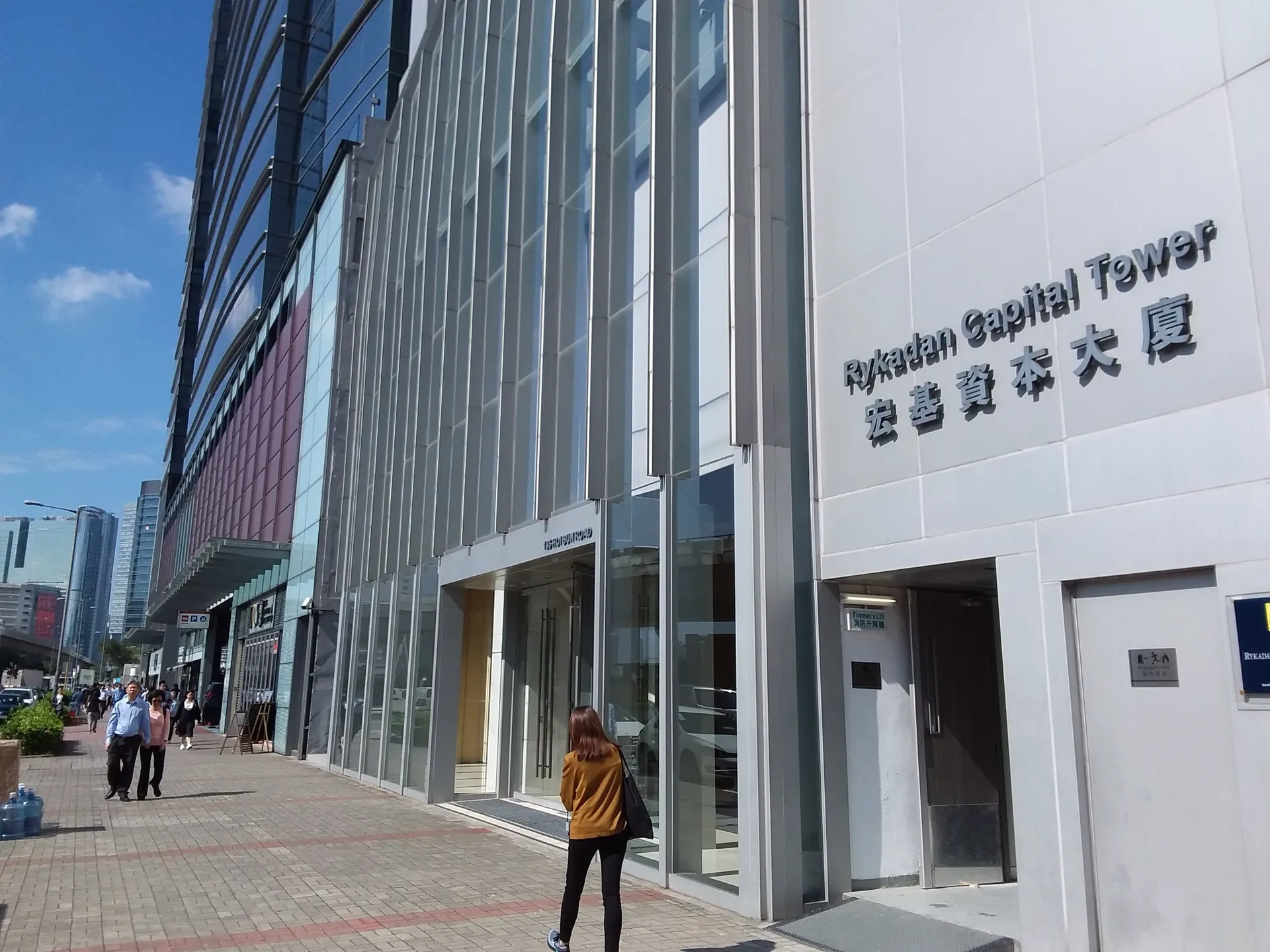
This is where most of FMC begins. Hong Kong is the commercial anchor — the firm’s headquarters and the room where suppliers are signed, platforms are overseen, and the region is coordinated.
Most of what FMC sources passes through here first.
Europe
Europe is mostly a destination, and a demanding one. The work here is less about volume than about meeting each jurisdiction’s rules on labelling, documentation, and safety before goods can be sold.
The Americas
The Americas extend distribution into large end markets and give the network a second centre of gravity, so a disruption on one side of the world need not stall the other.
Network Logic.
Nothing in the network is placed by default. A warehouse goes where stock needs to sit close to buyers; a hub goes where routes converge; a supplier relationship is built where the goods are actually made.
Positioned that way, each border crossing is shorter and each restock is faster — and FMC can add the next market deliberately, one well-chosen point at a time, rather than blanketing the map.
The Same Network, Everywhere.
Those facilities are the physical half of the network. The other half is the software running inside them — the same ERP and warehouse systems in every hub and warehouse, so a process learned in one works the same in the next.
The result is a network that behaves consistently wherever you stand in it: local enough to act quickly, common enough that the numbers all add up at the centre.
Thirty-one points on the map. One network behind them.