Infrastructure
Distribution Network.
The network sits on the routes goods actually travel — out of the manufacturing centres of Asia-Pacific, through the hubs, and into demand in Europe and the Americas. Where a corridor matters to our trade, there is a facility on it.
Warehousing, transport, and stock counts run off one set of records, so a pallet booked in one region and received in another tells the same story at both ends.
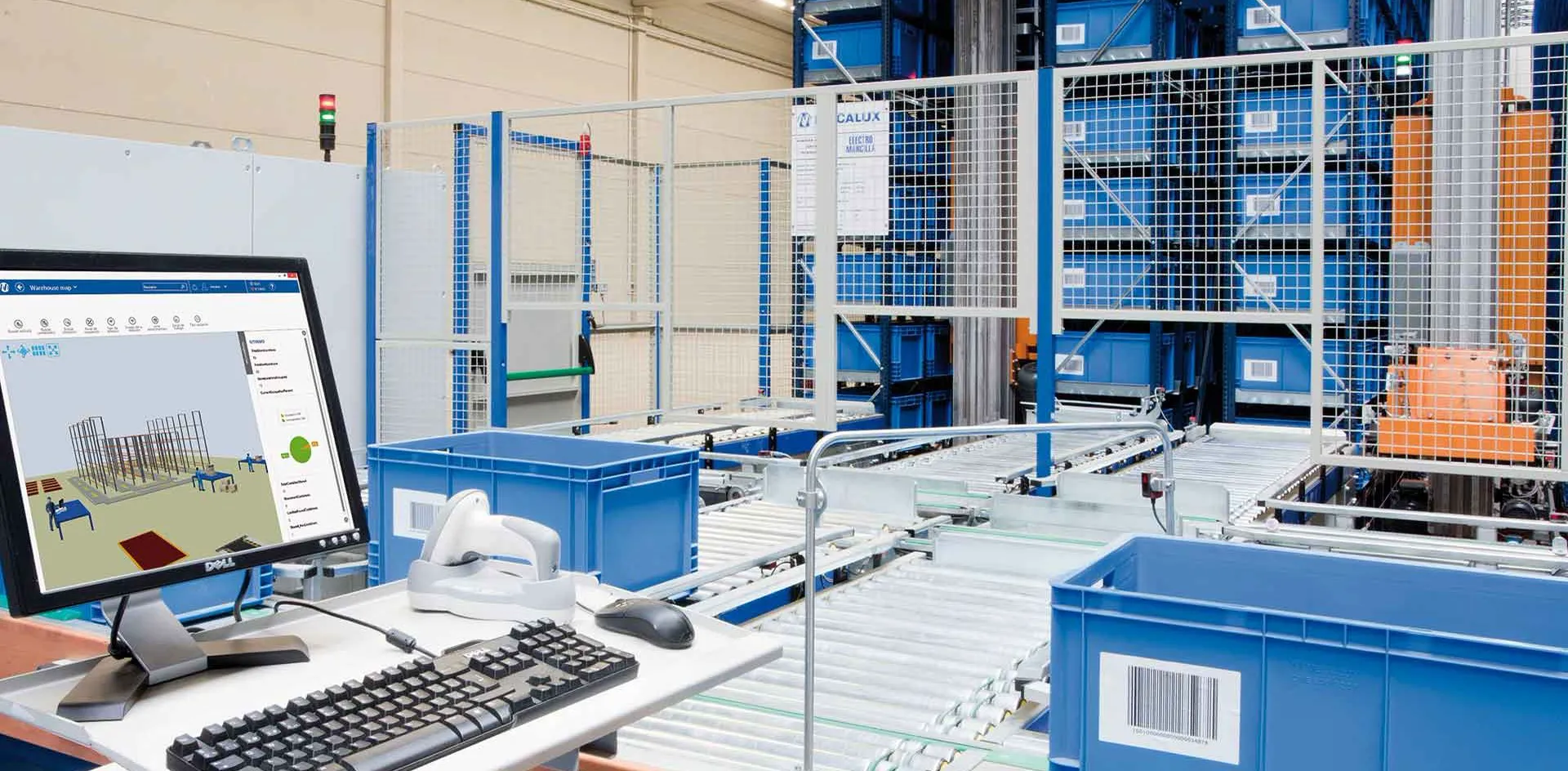
The Systems Layer.
Sourcing, warehousing, transport, and compliance all write to one record. When a purchase order is raised, the warehouse that will receive it and the customs file it needs are already in view.
The ERP, warehouse, and transport systems are joined to FMC’s operating tools, so a shipment can be followed from supplier approval to buyer delivery without re-keying it at each handover.
Demand forecasting looks ahead, and exception checks flag the order that doesn’t fit the usual pattern before it ships.
Compliance & Control.
Because the records are continuous, compliance is mostly a matter of reading them. A lot can be traced to its origin, and an auditor can follow a shipment across borders without waiting on a reconciliation.
The checks start early — at supplier qualification and the condition of the goods — and end with each market’s own rules on labelling, documentation, and import.
When a buyer or a regulator asks how something moved, the answer is already on file.
One network. One record. One operating standard.